


-

Add: HeBei ShengShi HongBang Cellulose Technology CO.,LTD.
-

Email
13180486930@163.com -

CONTACT US
+86 13180486930

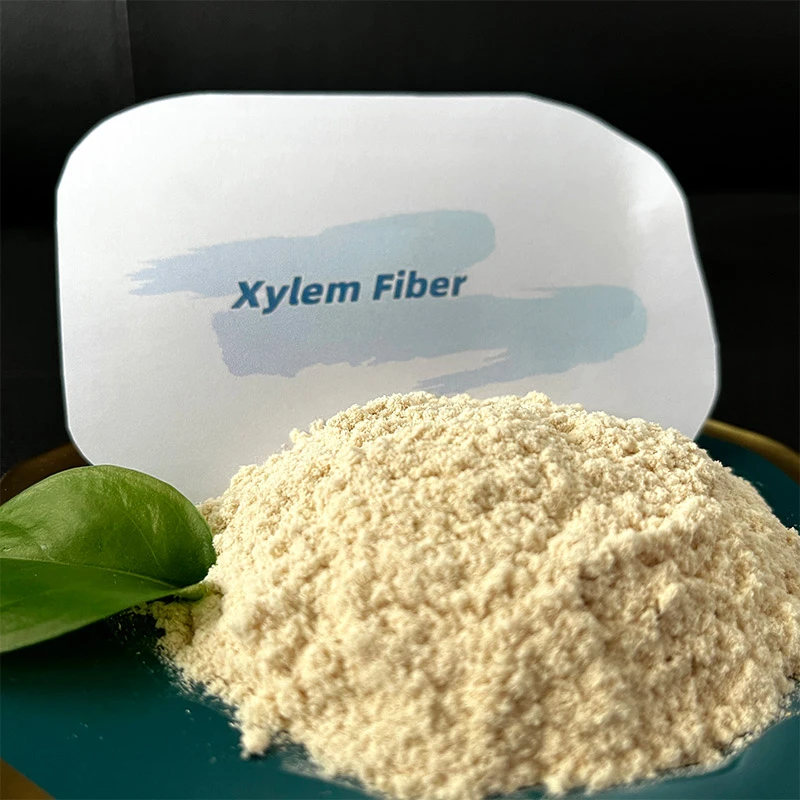


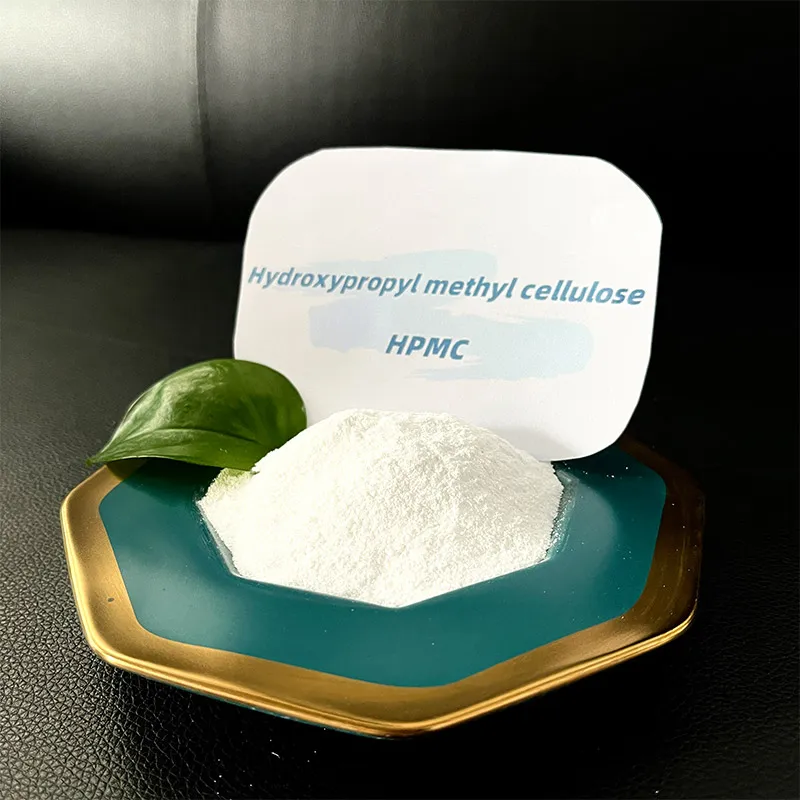
Hydroxypropyl methylcellulose (HPMC) is widely recognized as a versatile compound that finds its application across various industries. Preparing HPMC solutions is paramount for ensuring its effective performance, whether in pharmaceuticals, food processing, or construction. This article sheds light on the expertise required, authoritative guidelines, and trustworthy methodologies associated with HPMC solution preparation. Experience in HPMC solution preparation reveals that the process is both an art and a science, demanding precision and knowledge. Users often face challenges such as insolubility, clumping, or achieving the desired viscosity. These challenges can be mitigated by following specific preparation steps . Here, I will share a streamlined process derived from years of hands-on experience 1. Selection of Grade The choice of HPMC grade significantly influences the end properties of the solution. Different grades offer varying viscosities and gel temperatures, making it crucial to consult technical specification sheets provided by manufacturers to select the right grade for your application needs. 2. Water Quality The quality of solvent, usually water, plays a critical role. Using deionized or distilled water enhances solubility and prevents any potential reactions from contaminants. Experience confirms that temperature-controlled environments boost the solubility rate and uniformity of HPMC throughout the solution. 3. Dispersion Technique Accurate dispersion ensures the complete hydration of HPMC without forming clumps. Begin by sprinkling HPMC slowly into the solvent while stirring continuously. An authoritative tip involves using mechanical stirrers to maintain a consistent dispersal, achieving a lump-free solution efficiently. 4. Temperature Control The temperature of the solvent should be monitored closely. HPMC tends to dissolve better in cold water. By initially employing cold water to disperse the HPMC and later heating it up if the application demands a higher temperature, one can secure optimal results. hpmc solution preparation 5. Hydration Time Time is a crucial factor in preparing an HPMC solution. Allow the solution to hydrate fully, which might take several hours depending on the grade and environmental conditions. Patience is key as incomplete hydration could result in suboptimal solution properties. 6. pH Adjustment For applications requiring specific pH levels, adjust the pH of the solution after full hydration. Different grades of HPMC might react differently to pH adjustments, so it's advisable to conduct small-scale tests before full-scale operations. From a professional standpoint, the expertise of troubleshooting common issues cannot be overstated. In some cases, adding a non-ionic surfactant can assist in reducing surface tension and improving solubility. Furthermore, employing an industrial homogenizer can yield a finer, more consistent HPMC solution in high-demand applications. To establish authority in the preparation of HPMC solutions, it’s paramount to adhere to standardized practices as endorsed by industry leaders. Following guidelines from entities like the United States Pharmacopeia (USP) can ensure compliance and efficacy in pharmaceutical applications. Maintaining a record of every batch's preparation details ensures traceability and identifies areas for future optimization. Trustworthiness is built through consistency and transparency. Regularly testing and documenting the rheological properties of prepared solutions guarantees batch-to-batch uniformity. For enhanced credibility, consider third-party verification from accredited laboratories to validate the effectiveness and safety of the final solution. In conclusion, HPMC solution preparation demands a blend of practical experience, specialized knowledge, and adherence to authoritative protocols. By following these best practices, one can ensure the creation of high-quality HPMC solutions suitable for a variety of applications, ultimately fostering trust and reliability in the end product.
- 40000tons

Production
- 20+years

Experience
- 5000+㎡

Acreage

-

When it comes to managing dry eye diseases, particularly Meibomian Gland Dysfunction (MGD), two types of eye drops have gained significant attention - Retaine MGD and Hydroxypropyl Methylcellulose (HPMC) based lubricants. Understanding the differences, benefits, and appropriate usage of these products can significantly improve patient outcomes and enhance eye health. This comprehensive guide will shed light on Retaine MGD versus HPMC, grounded in both scientific research and real-world experiences, aimed at maximizing the efficacy of each treatment. Retaine MGD is specifically formulated to provide long-lasting relief for dry eyes associated with Meibomian Gland Dysfunction, a prevalent cause of evaporative dry eye. This preservative-free, oil-based lubricant utilizes Novasorb technology, which sustains and stabilizes the tear film by preventing evaporation. Patients often report a soothing experience as it effectively coats the eye surface, providing a barrier against moisture loss. The lipid-based composition is particularly advantageous for MGD sufferers, as it directly addresses the insufficiency of the lipid layer in the tear film, which is a core issue in MGD. In contrast, Hydroxypropyl Methylcellulose products are water-based lubricants available in various viscosities, designed to replicate and enhance the aqueous layer of the tear film. HPMC is praised for its biocompatibility and ability to retain moisture, thereby reducing friction and discomfort. While HPMC does not specifically target lipid layer deficiencies, it serves as an excellent baseline therapy for overall dry eye symptoms and for patients who may not tolerate lipid-based therapies due to preferences or specific ocular conditions. From an expert perspective, choosing between Retaine MGD and HPMC-based drops should be individualized, considering factors such as the severity of MGD, patient lifestyle, and specific symptomatology. Retaine MGD is highly endorsed for patients with explicit evaporative symptoms attributable to MGD, while HPMC can be recommended for aqueous tear deficiency or for patients seeking an immediate soothing effect without the texture of an oil-based drop. retaine mgd vs hpmc Recent studies underscore the importance of tailored therapeutic approaches. Patients participating in a clinical trial reported significant improvements in Comfort and vision stability with Retaine MGD after four weeks compared to those using traditional aqueous lubricants. Conversely, those on HPMC reported immediate relief and ease of use, with less oily residue, indicating its utility in scenarios requiring frequent application. Eyecare professionals emphasize the importance of holistic management strategies beyond choosing the correct lubricant. This involves lifestyle modifications like eyelid hygiene, regular warm compresses to encourage meibum secretion, and adjustments in environmental factors such as humidity. It is crucial for practitioners to deliver clear guidance on these adjunctive measures to enhance patient adherence and satisfaction. In conclusion, both Retaine MGD and HPMC-based lubricants serve distinct roles in the landscape of dry eye management. Their selection should be based on thorough clinical assessment and patient dialogue . Integrating a nuanced understanding of these products into treatment plans promises to elevate patient care and mitigate the challenges posed by dry eye diseases. With ongoing research and user feedback, eyecare practitioners can continue refining their approach to offer the most effective, evidence-based solutions for their patients.
-

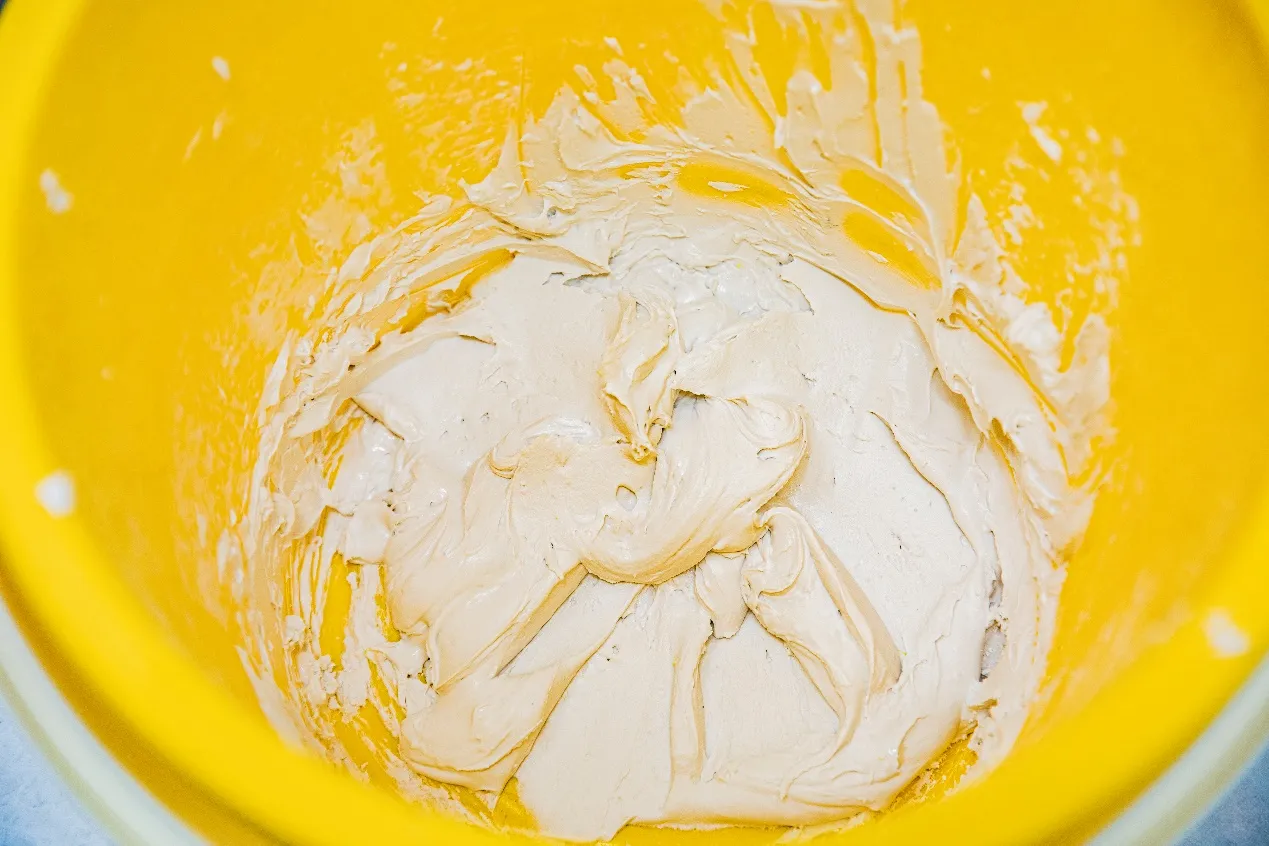
Starch ether is an essential additive in many modern construction materials, offering superior performance and a range of benefits that enhance the properties of cement, mortar, and other construction mixtures. As a versatile and eco-friendly component, starch ether helps improve workability, water retention, and adhesion, making it the perfect choice for enhancing construction materials. Whether you're working with concrete, plaster, or adhesive formulations, starch ether is the reliable solution to ensure the quality and durability of your projects. Its wide applications in construction make it a must-have ingredient for achieving better results. Starch Ether for Construction: Improving Performance and Efficiency In the construction industry, starch ether for construction has become increasingly popular due to its numerous benefits. It serves as a highly effective thickening agent, enhancing the consistency and flow of materials, which helps in achieving optimal workability. Starch ether for construction also improves water retention, ensuring that your mixtures stay moist longer and work smoothly, even in challenging conditions. This makes it an excellent choice for a variety of construction applications, from plasters and adhesives to grouts and mortars. Using starch ether for construction ensures that your materials perform at their best, delivering lasting results and cost-effective solutions. The Role of Starch Ether in Tile Adhesive Starch ether in tile adhesive plays a crucial role in improving the bonding strength and overall performance of the adhesive. When added to tile adhesives, starch ether enhances their water retention, allowing the adhesive to stay workable for a longer period. This ensures a stronger bond between the tile and substrate, reducing the chances of tile slipping or detaching. Starch ether in tile adhesive also improves the adhesive’s flexibility, making it more resistant to cracking under stress. Whether you're laying tiles in a bathroom, kitchen, or flooring, starch ether is the secret ingredient for achieving a more reliable, durable, and efficient adhesive solution. Understanding Starch Ether Price: Cost-Effective Solutions for Your Projects When considering starch ether price , it's important to focus not only on the cost per unit but also on the long-term value it brings to your construction projects. The starch ether price can vary depending on the quality, quantity, and supplier, but it is generally an affordable ingredient when compared to other additives. Despite its competitive price, starch ether provides significant performance benefits, such as improved workability, water retention, and adhesion. By incorporating starch ether into your construction materials, you’ll benefit from high-quality results at an affordable price, making it a smart investment for any project. Why Choose Our Starch Ether for Your Construction Applications? Our starch ether products are designed to meet the highest industry standards, ensuring superior performance for all your construction needs. Whether you need starch ether for construction or starch ether in tile adhesive , we offer a wide range of high-quality, eco-friendly solutions tailored to meet the specific demands of your projects. With our competitive starch ether price s, we provide affordable, effective, and reliable additives that enhance the quality of your materials. Trust us to supply you with the best starch ether to improve the strength, durability, and workability of your construction products. Starch Ether FAQs What is starch ether used for in construction? Starch ether is widely used in construction for its ability to improve the workability, water retention, and adhesion of various materials. It is commonly added to cement-based products like plaster, mortar, and tile adhesives. Starch ether helps make these materials more stable and easier to apply, ensuring better performance and longer-lasting results. How does starch ether improve tile adhesive? Starch ether in tile adhesive enhances its performance by improving water retention and extending its workability time. This ensures a stronger bond between tiles and surfaces, reducing the risk of tiles slipping or detaching. Additionally, starch ether improves the flexibility of the adhesive, making it more resistant to cracking, especially in areas subjected to movement or stress. Is starch ether eco-friendly? Yes, starch ether is considered eco-friendly because it is derived from natural starch sources, such as corn or tapioca. It is biodegradable, non-toxic, and safe for use in a wide range of applications, making it an environmentally responsible choice for the construction industry. As demand for sustainable materials increases, starch ether is becoming a popular alternative to synthetic additives. What factors affect the starch ether price? The starch ether price can vary depending on factors like the quality of the product, the source of the starch, and the quantity purchased. Generally, bulk purchases can help lower the cost per unit. Additionally, the complexity of the manufacturing process and any additional features or specifications required for your project can influence the starch ether price . Why should I choose your starch ether for my construction projects? Our starch ether products are manufactured to the highest standards, offering excellent performance in improving the workability, adhesion, and durability of construction materials. We offer a range of starch ether for construction applications, including starch ether in tile adhesive , all at competitive starch ether price s. With our products, you can ensure superior quality, cost-effective solutions, and lasting results for your construction projects.
advantages
-

200000 Viscosities
Excellent product
We can produce pure products up to 200,000 viscosities
-

40000 tons
High yield
We don’t stop production all year round, and the annual output can reach 40,000 tons
-

24 hours
Quality service
We provide 24-hours online reception service, welcome to consult at any time
———— Inquiry Form
Schedule A services
-
 nylon_man_made
Oct . 25, 2025
Low melt polyester staple fiber is carving out a critical niche across various industries due to its -
 hpmc_types
Oct . 25, 2025
Provided by: HeBei ShengShi HongBang Cellulose Technology CO.,LTD. Address: HeBei ShengShi HongBang -
 hpmc_distributor
Oct . 25, 2025
Hydroxypropyl Methylcellulose (HPMC) is a highly versatile and reliable compound used across various


